
Do you need underlay for vinyl flooring in Wheaton, IL? For most click-lock and glue-down products, the answer is no — the real variable is your subfloor, not personal preference. A handful of common conditions in older Wheaton homes flip that answer to yes, and skipping underlayment in those cases is one of the fastest ways to void a warranty. Here's how to tell which category your project falls into before you buy a single box.
Do You Need Underlay for Vinyl Flooring in Wheaton, IL?
Most homeowners do not need underlay for vinyl flooring. Glue-down and sheet vinyl typically install directly onto a properly prepared subfloor, and many vinyl planks already come with attached cushioning built in. The exceptions usually trace back to one of three things: an uneven timber subfloor, a moisture-prone room, or a manufacturer warranty clause that names a specific underlayment.
Every manufacturer sets its own rules. Check your product's installation instructions before you buy materials or book an installer — they'll tell you whether your subfloor is adequate as-is or whether underlayment is a warranty condition.
Want a second opinion before you cut a single plank? A Luxury Vinyl Plank Installation crew can inspect your subfloor and confirm exactly what your flooring needs. Or get a free estimate and we'll walk the subfloor with you first.
What Is Underlayment for Vinyl Flooring?
Underlayment is a thin layer installed between the subfloor and the finished floor. It smooths minor imperfections, adds cushioning, and sometimes blocks moisture. It isn't the same as the subfloor itself — it's a buffer layer that helps the finished floor perform better.
For vinyl specifically, underlayment usually smooths out or strengthens an imperfect subfloor rather than adding comfort alone. Some vinyl plank products skip this step entirely because they already arrive with a cork or foam cushion pre-attached to the back of each plank.
Does Your Vinyl Flooring Already Have Attached Padding?
Before buying a separate underlayment, flip over a sample plank or check the product spec sheet. Many luxury vinyl planks sold today include built-in underlayment as part of the plank construction itself.
If your flooring has this pre-attached cushion, adding a second layer underneath is usually unnecessary and can cause problems. Stacking extra padding under planks with attached pad can make the floor feel spongy or interfere with how the planks lock together at the seams.
If you're still comparing core types, our WPC flooring buying guide for Wheaton homeowners breaks down which vinyl products already include a cushioned backing and which don't.
What Kind of Underlayment Is Best for Vinyl Flooring?
The right underlayment depends more on your subfloor than on personal preference. Gluing sheet vinyl directly to a concrete subfloor typically needs no underlayment at all, though the concrete may still require leveling and must be fully dry and cured first. Vinyl can also go directly over a sound plywood subfloor without underlayment, as long as the plywood is sturdy, smooth, and flat — a thin plywood underlayment is only worth adding if the existing subfloor is in rough shape.
Concrete subfloors have their own prep checklist, and it goes well beyond "is it dry." An ASTM International standard practice covers determining whether a concrete floor is acceptable for resilient flooring installation, and it requires a permanent, effective moisture vapor retarder under any on-grade or below-grade slab, regardless of the specified thickness and permeance. In plain terms: a slab that looks and feels dry on installation day can still fail that test.
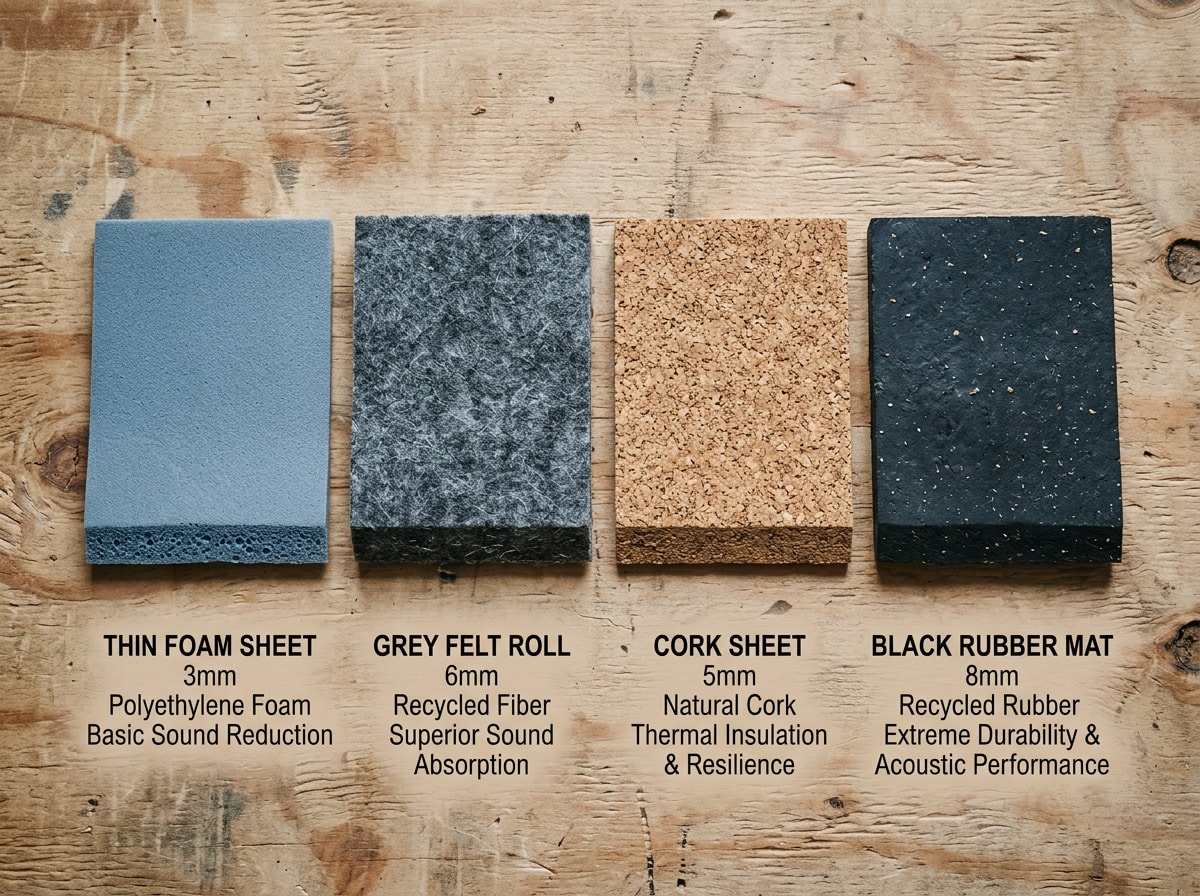
When underlayment does make sense, matching the material to the subfloor matters. Here's how the common options compare:
| Underlayment Type | Thickness Range | Moisture Barrier | Best Paired With |
|---|---|---|---|
| Foam | 1.5–3mm | Low to moderate | Plywood subfloors, click LVT without attached pad |
| Felt | 2–3mm | Low | Timber subfloors, sound-reduction priority |
| Cork | 2–6mm | Moderate | Concrete subfloors, comfort and insulation priority |
| Rubber | 2–5mm | High | Basements, moisture-prone concrete slabs |
In our inspections across older Wheaton homes, many built well before 1980, we regularly find wavy or squeaky subfloors that need leveling compound before any vinyl goes down. That's not an underlayment problem; it's a subfloor problem, and it's the one step homeowners skip most often.
What Do You Put Under Vinyl Flooring Instead of Underlay?
Instead of underlay, vinyl flooring typically needs a properly prepared subfloor — that's the real foundation of a long-lasting install. In a lot of older Wheaton-area homes, this means addressing uneven floorboards, patching basement concrete, or leveling a slab that's settled over decades.
Subfloor preparation generally involves three steps:
- Applying a leveling compound to fill dips and ridges
- Thoroughly cleaning away dust and debris
- Checking for moisture issues before anything gets installed
Skipping any of these steps affects the final floor far more than skipping underlayment ever would. Our flooring installation team can handle all three before your vinyl ever arrives.
Vinyl Flooring on Floorboards: Do You Need Underlay?
If you're installing click LVT over uneven floorboards, underlay is often essential rather than optional. Timber subfloors naturally expand and contract with humidity and temperature swings, and that movement can telegraph through thin vinyl over time.
Vinyl flooring generally shouldn't be laid directly onto bare floorboards for this reason. Gaps between boards, squeaks, and visible seams tend to show up within the first year or two if there's no buffer layer absorbing that natural timber movement. An underlay for floorboards helps bridge small gaps and gives the vinyl a more stable, even surface to lock into.
Does Click (Floating) Vinyl Flooring Need Underlay?
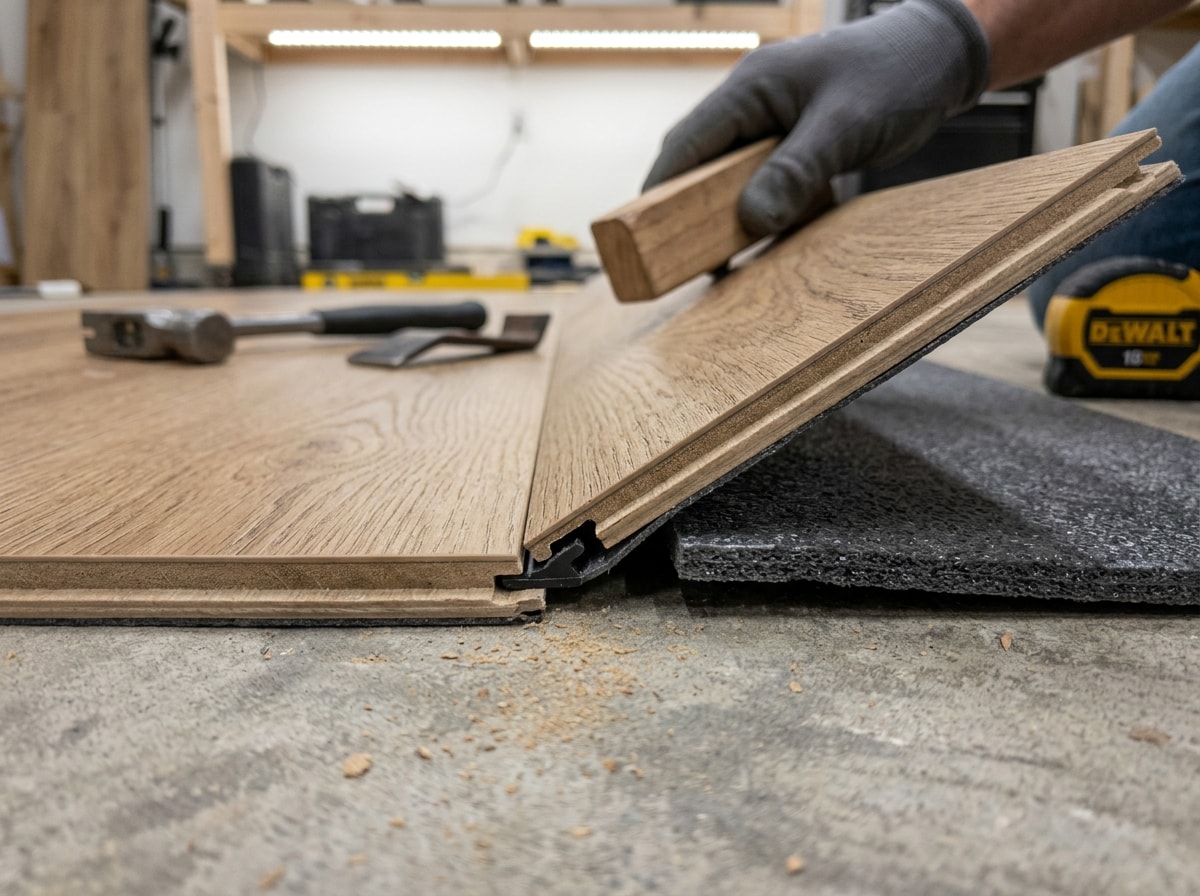
Many click vinyl products already include a built-in backing that handles comfort and sound reduction on its own. In these cases, adding a separate underlay is usually unnecessary and can interfere with how the LVT locking system clicks together at the edges.
Floating floors install differently than glue-down vinyl, since the planks aren't bonded to the subfloor at all. They rely on a snug, even connection between planks rather than adhesive, which is exactly why mismatched or overly thick underlay causes more harm than good with floating floor vinyl.
Waterproof Underlay for Vinyl Flooring in Bathrooms & Moisture-Prone Areas
A waterproof underlay is only necessary in spaces where moisture is a regular presence: bathrooms, laundry rooms, basements, and similar areas. It isn't something every vinyl install needs.
Vinyl itself resists water well, but the subfloor underneath it doesn't always share that advantage. Protecting the subfloor with a moisture barrier matters more below-grade and in wet rooms than it does in a dry living room or bedroom. The key to mold control is moisture control , which is exactly why unchecked moisture under any flooring type, not just vinyl, tends to cause problems long after installation day. We see this most often in finished basements and additions over crawl spaces across Wheaton, IL, where the slab or joists sit closer to grade than homeowners expect.
Benefits of Using Underlay with Vinyl Flooring
Even when underlay isn't strictly required, it can still improve the finished floor. A quality underlayment adds a bit of cushioning underfoot, reduces footstep noise between floors, and offers a small amount of thermal insulation in colder rooms.
These benefits matter most in bedrooms, upstairs rooms, or homes with hard concrete subfloors where comfort and sound reduction are a priority. In dry, ground-level rooms with a flat subfloor, the upgrade is nice to have but rarely essential.
Can You Use Vinyl Flooring Without Any Underlay at All?
Yes, in many cases. Glue-down and sheet vinyl installed over a flat, properly prepared subfloor generally performs fine without any underlay. Click vinyl with attached backing falls into the same category. The main exception is uneven timber subfloors, where skipping underlay risks visible movement over time.
What Happens If You Don't Use Underlayment or Prepare the Subfloor Properly?
Underlay usually isn't mandatory, but skipping proper subfloor preparation causes real problems down the line. Correct prep helps the finished floor look flat, feel comfortable underfoot, and hold up for years rather than months.
Incorrect installation can also void the manufacturer's warranty entirely. Some luxury vinyl products specify exact underlayment types or subfloor flatness tolerances as a warranty condition, not just a recommendation. Industry guidance for resilient flooring installation calls for using underlayment exactly as recommended by the flooring manufacturer , and trade groups like the Resilient Floor Covering Institute publish the technical bulletins installers reference for these specs. Ignoring them is one of the most common reasons vinyl floors fail early.
About this guide: This article was put together by the installation crew at SCV Floorsmith, a flooring contractor serving Wheaton and the wider DuPage County area. We inspect subfloors and install vinyl, hardwood, and laminate flooring on a daily basis, and the exceptions above come from jobs we've walked through in person, not a manufacturer brochure. Questions about your specific home? Contact us or browse our full range of services to see recent work.
FAQ
What Should I Put Under Vinyl Flooring?
It depends on the install method. Click LVT may need a rigid underlay for stability, while glue-down vinyl typically installs directly onto a clean, prepared subfloor with no underlayment at all.
What Happens If the Wrong Underlay Is Used Under Vinyl Flooring?
Mismatched thickness or material can stress plank joints, cause squeaking, or void the manufacturer's warranty. Always match underlayment specs to what your specific vinyl product's instructions call for.
Is Foam Underlay Safe for Vinyl Flooring?
Not always. Foam underlay made for laminate flooring is a common mix-up, but it's rarely rated for vinyl and can compress unevenly under LVT planks over time.
Do You Need an Underlay for Vinyl Flooring on Laminate?
This usually means installing new vinyl over existing laminate, not a laminate-style underlay. In that case, the laminate layer itself typically needs to be assessed for flatness and stability before vinyl goes over it.
Does Vinyl Flooring Underlayment Help With Noise Between Floors?
Yes, more than most homeowners expect. Rubber or cork underlayment cuts footstep noise between floors better than foam, which matters most in upstairs rooms or multi-level living situations.
Do I Need Underlayment If My Vinyl Plank Already Has an Attached Pad?
No. Adding a separate underlayment on top of a product that already has attached padding usually adds unnecessary thickness and can interfere with how the planks lock together.