Removing paint from vinyl flooring in Lake Zurich, IL starts with figuring out whether the spill is still wet, already dried, or oil based, since each one needs a different fix. Blot fresh spills right away, soften dried paint before you ever touch a scraper to it, and save solvents for oil based stains that soap and water can't budge. Below is the process we use on vinyl floors across Lake Zurich, from the first five minutes after a spill to what to do if a DIY attempt leaves a mark behind.
Common Types of Paint Found on Vinyl Flooring
Most paint spills on vinyl floors are latex, acrylic, or oil based. Latex and acrylic are water based and usually lift with mild solvents. Oil based paint bonds more aggressively and needs stronger, riskier chemicals to break down.
Vinyl doesn't absorb paint the way wood or unsealed concrete does. Because the surface is sealed, paint mostly sits on top instead of soaking in. That gives you a reasonable window to remove it before it cures permanently.
One detail we see a lot on local jobs: many of these spills happen during indoor touch up painting in the colder months, when forced air furnaces are running. Dry indoor heat speeds up how fast latex paint skins over, so the wet paint window in a January project is often shorter than homeowners expect. If you're planning a bigger flooring refresh anyway, it's worth browsing luxury vinyl plank installation for materials that hide everyday wear better than older sheet vinyl.
Tools and Materials You'll Need
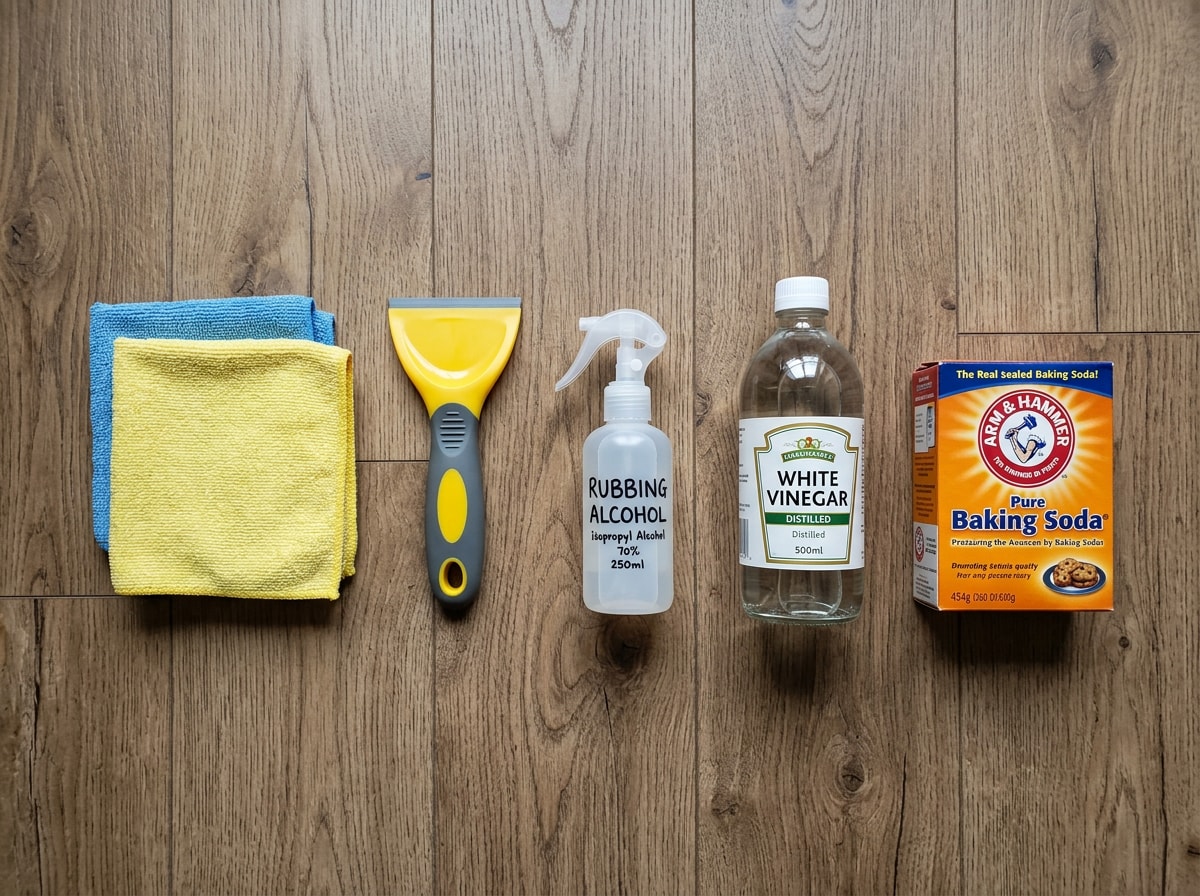
Gather everything before you start so you're not improvising mid cleanup:
- Plastic scraper or an old credit card
- Soft microfiber cloths
- Warm water and mild dish soap
- Rubbing alcohol
- White vinegar
- Baking soda
- Mineral spirits (oil based paint only)
- Commercial vinyl floor cleaner
Stick to vinyl safe tools. Metal scrapers, razor blades, and abrasive scouring pads cut into the wear layer and leave permanent scratches that are far harder to fix than the original paint stain.
How to Remove Fresh (Wet) Paint From Vinyl Flooring
Fresh paint is by far the easiest to deal with. Acting in the first few minutes saves significant effort later.
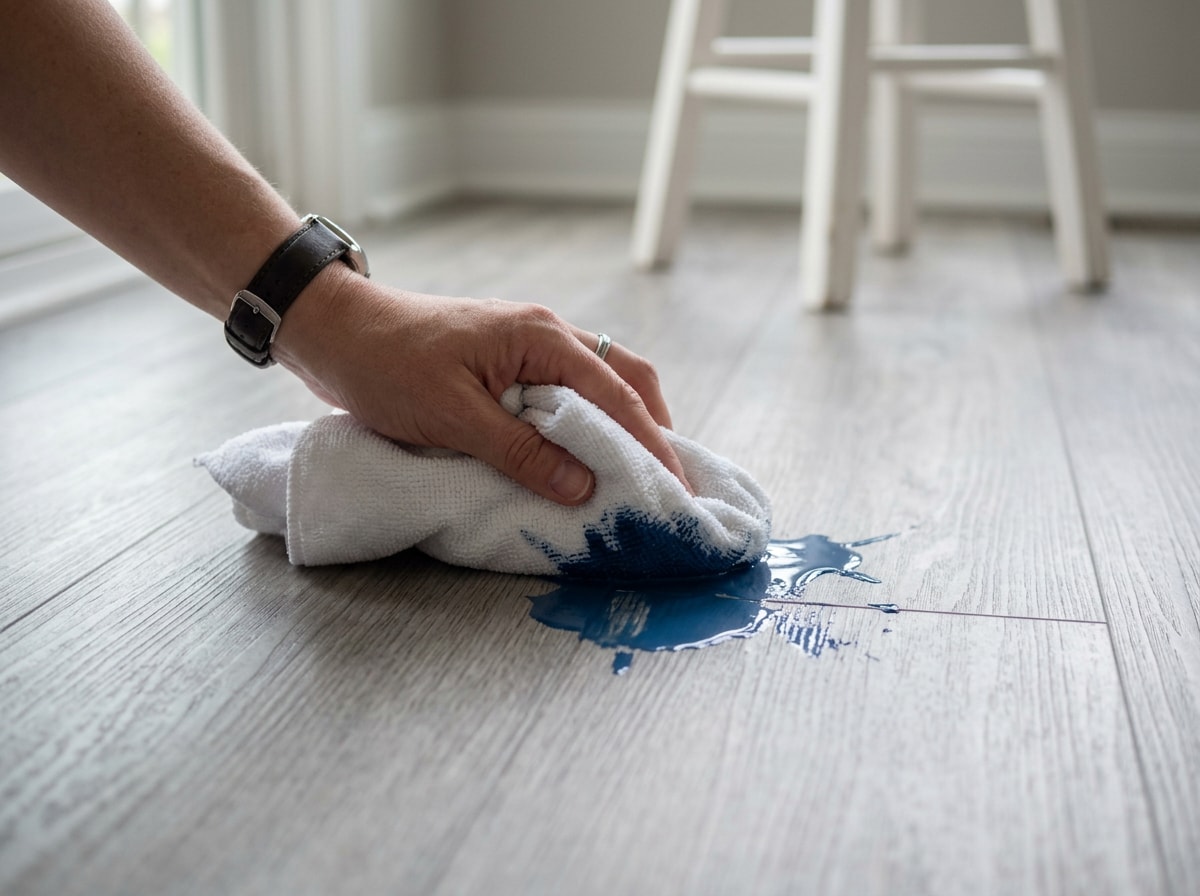
- Blot, don't rub, with a soft cloth or paper towel to lift as much wet paint as possible.
- Keep blotting with a clean section of cloth as the paint lifts, rather than spreading it around.
- Wipe the spot with a few drops of mild dish soap in warm water.
- Dry the area completely so standing water doesn't leave faint spotting on glossier finishes.
Rubbing is the most common mistake people make with a fresh spill. It pushes wet paint deeper into the embossing and texture of the vinyl, which makes it much harder to remove once it dries. Textured, wood look luxury vinyl plank traps wet paint in its grain pattern more than smooth sheet vinyl, so plan on a few extra blotting passes if your floor has visible texture.
How to Remove Dried Paint From Vinyl Flooring
Dried paint won't come up with a simple wipe. It needs to be softened first, then carefully lifted without scratching the surface underneath.
Scrape Off the Paint With a Plastic Scraper
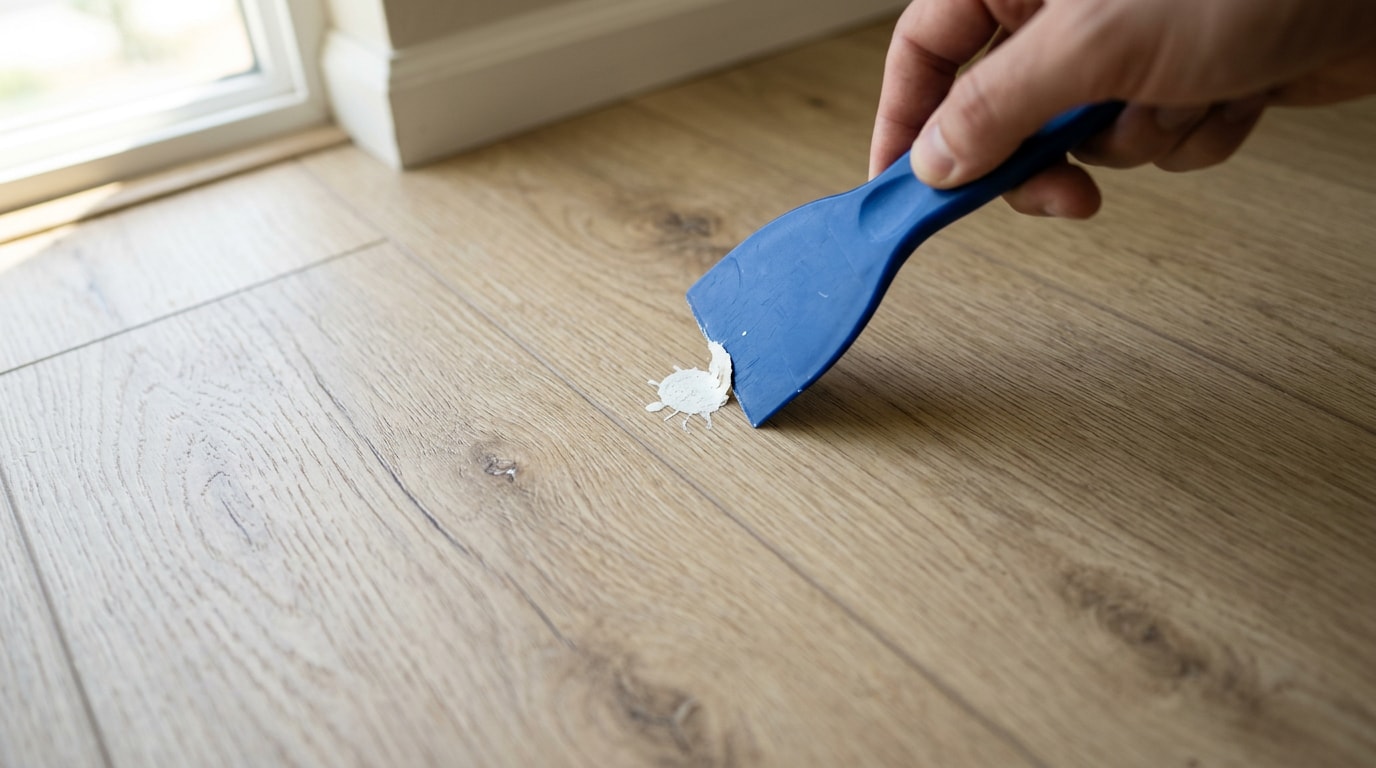
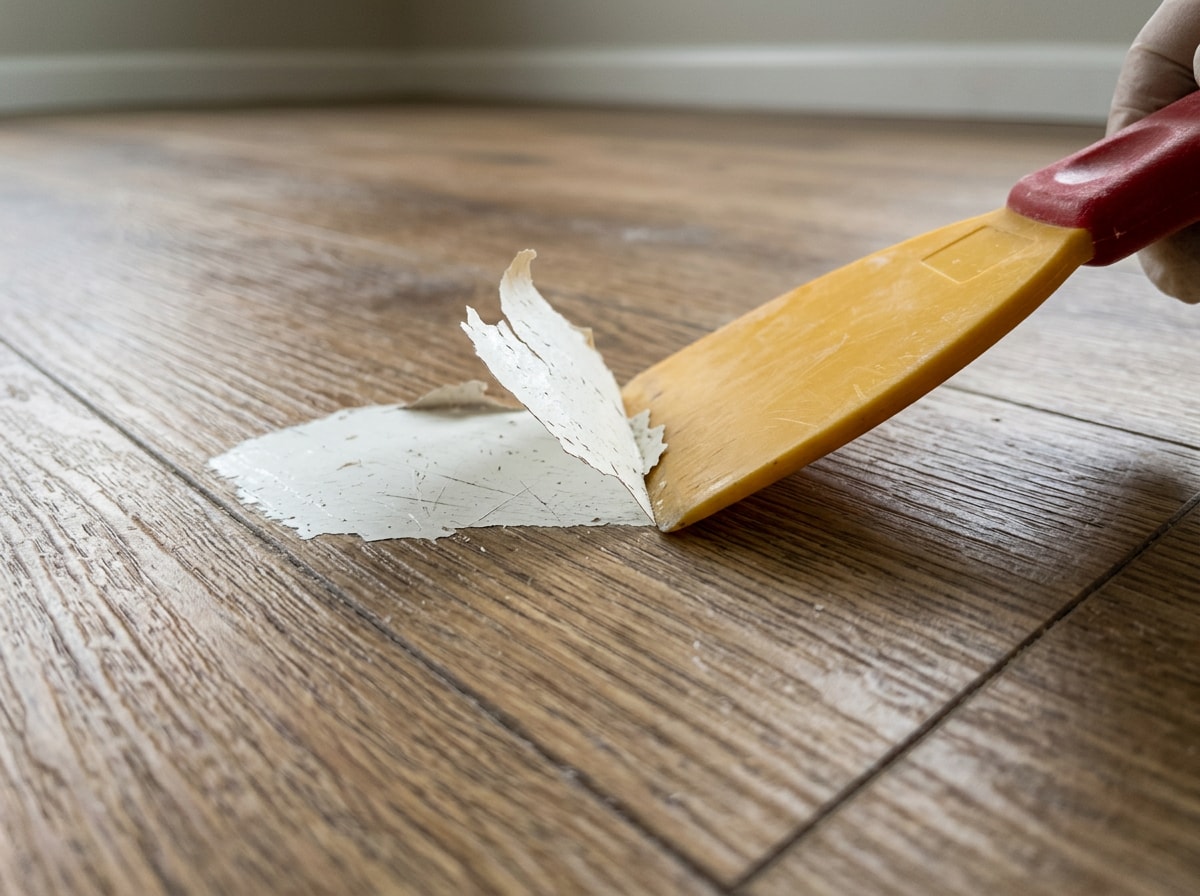
Lay a warm, damp cloth over the dried paint for several minutes to soften it. Once the edge starts to give, slide a plastic scraper or an old credit card underneath at a low, shallow angle. Work it loose gradually rather than forcing it in one motion.
Going in at too steep an angle, or reaching for a metal tool out of impatience, is how a fixable stain turns into a permanent scratch. If the paint doesn't budge after a minute or two, re-wet the cloth and give it more soak time instead of pushing harder.
Try Baking Soda or Vinegar for Dried Paint
For paint that resists scraping alone, a baking soda paste acts as a mild abrasive without scratching vinyl. Mix baking soda with a small amount of water until it forms a thick paste, apply it to the stain, and gently scrub with a soft cloth or sponge.
A vinegar solution, equal parts white vinegar and warm water on a dampened sponge, works as a gentler option, particularly for dried latex paint. It's not as aggressive as alcohol or commercial solvents, which makes it a good first attempt before moving to anything stronger.
How to Remove Oil-Based Paint From Vinyl Flooring
Oil based paint is the toughest scenario because it resists water based cleaning and typically requires a solvent to break down. Always test any solvent on a hidden corner of the floor first, then apply it sparingly to a cloth. Never pour it directly onto the vinyl.
Start with mineral spirits on a soft cloth, dabbing rather than scrubbing. Move up to a small amount of acetone or nail polish remover only if mineral spirits don't fully clear the spot. Finish by wiping the area with warm, soapy water to remove any leftover solvent residue.
| Solvent | Strength on Oil-Based Paint | Vinyl Damage Risk |
|---|---|---|
| Rubbing alcohol | Mild | Low |
| Mineral spirits | Moderate to strong | Moderate |
| Acetone | Strong | High |
Stronger isn't always better. It's a trade off between cutting through dried paint faster and preserving the floor's finish. These solvents can soften the plasticizers that keep vinyl flexible, which is why warping, dulling, or discoloration shows up after repeated or heavy use. For background on why ventilation matters whenever you're working with any of these products indoors, the CDC's NIOSH hazard alert on solvents covers basic ventilation and PPE steps for home use. The EPA's technical overview of volatile organic compounds is also useful background on why cracking a window matters more than most people assume.
Using a Commercial Vinyl Floor Cleaner
A store bought commercial vinyl floor cleaner is often the better call for mild, widespread staining, or as a finishing step after solvent use to clear away leftover residue. These formulas are built specifically for vinyl, so they clean without stripping the floor's protective coating the way some household products can.
Always follow the label instructions and test the product on a hidden spot first, since finishes vary between vinyl brands and ages. The Resilient Floor Covering Institute's technical resources are a solid reference point for approved cleaner types and general maintenance practices for resilient flooring.
When to Call a Flooring Professional
Sometimes DIY methods hit a wall. The paint won't lift, or an earlier scraping or solvent attempt has left a dull, discolored patch behind. At that point it's worth weighing professional cleaning or spot repair against continuing to work the spot yourself, since repeated scrubbing can do more damage than the original stain.
Professional grade equipment can often pull out stains that household tools can't touch. If the wear layer has already been scratched or discolored, patching a section rather than replacing the whole floor is often realistic. Our flooring installation and repair services page outlines what that process typically involves, and if the damage is widespread enough that a full replacement makes more sense, our guide on how to lay vinyl plank flooring in Lake Zurich walks through what that project looks like. For a second opinion on a stain before you commit to a repair, get a free estimate and we'll tell you honestly whether it's a cleanup job or a repair job.
How to Prevent Future Paint Mishaps
A little prep work before any painting project saves a lot of cleanup time later.
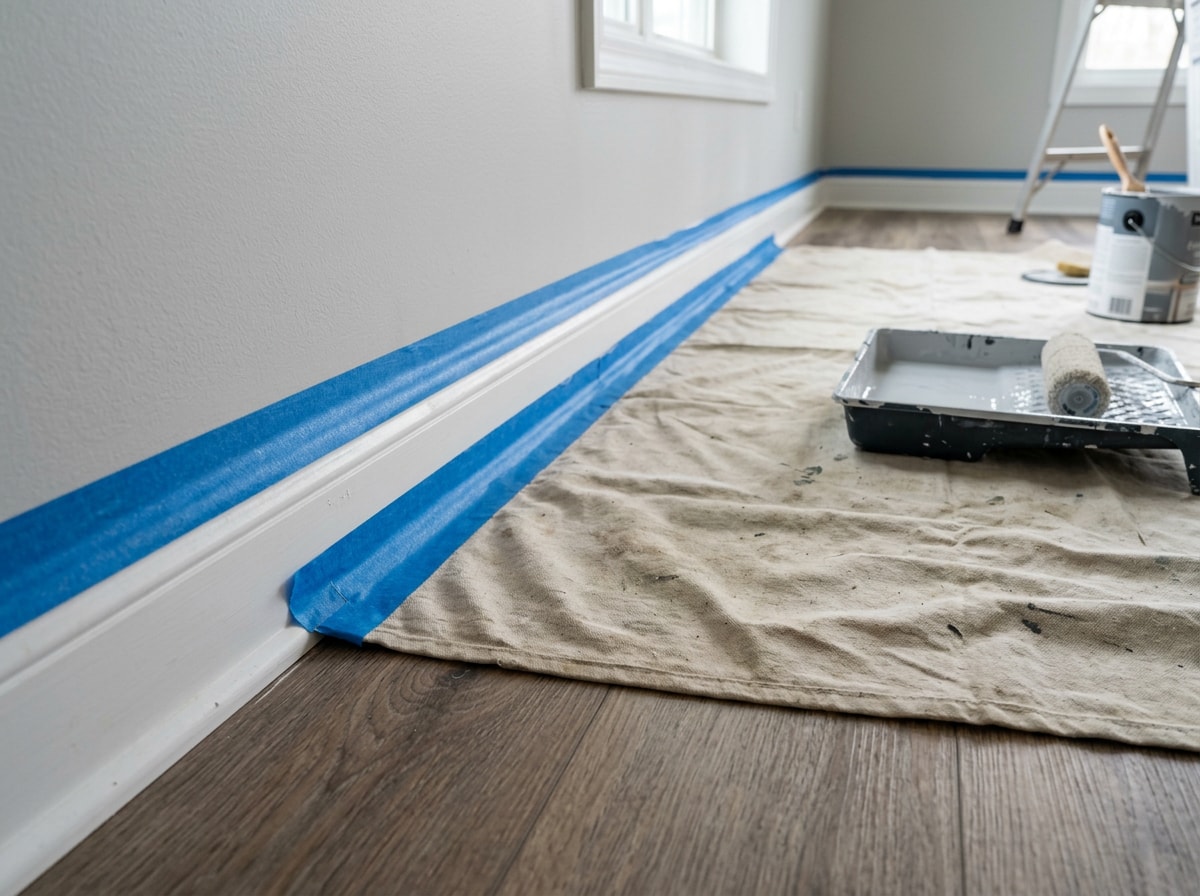
- Lay drop cloths or plastic sheeting over vinyl anytime you're painting nearby.
- Tape down the edges so sheeting doesn't shift while you work.
- Store paint cans with tightly sealed lids. Slow leaks from a loose lid are a common source of stains that go unnoticed until they've already set.
- Check your supplies before and after each project as a habit, not an afterthought.
A little precaution goes a long way, but if a spill gets ahead of you, our team at SCV FloorSmith handles paint related vinyl repairs and replacements throughout Lake Zurich and the surrounding suburbs.
FAQ
What is the easiest way to remove paint from vinyl flooring?
Catch it while it's still wet. Blot with a soft cloth, then wipe with mild soap and water. For dried paint, soften it first with a damp cloth before gently scraping. See the fresh paint and dried paint sections above for full steps.
Can vinegar remove paint from vinyl floors?
Yes. A solution of equal parts vinegar and warm water softens dried, water based paint effectively. It's gentler than rubbing alcohol or commercial solvents, making it a good first attempt before reaching for anything stronger.
Can I use any kind of scraper to remove dried paint from my vinyl floor?
No. Stick to a plastic scraper, such as an old credit card or a dedicated plastic putty knife. Metal scraper damage is permanent and shows up as visible scratches in the floor's finish.
Will acetone damage vinyl flooring?
It can. Acetone can soften the plasticizers in vinyl, leading to warping or discoloration if it's overused. Use it sparingly, only after testing a hidden spot, and treat it as a last resort for oil based paint that won't respond to milder solvents.
How do you remove oil-based paint from a vinyl floor?
Dab mineral spirits onto a soft cloth and work the stain gently rather than scrubbing. If it doesn't fully clear, move up to a small amount of acetone, then wash the area with warm soapy water to remove solvent residue.
Does rubbing alcohol damage vinyl flooring?
Rubbing alcohol is one of the milder options and is generally safe on vinyl in small, controlled amounts. Still test a hidden spot first, work in short passes, and dry the area afterward rather than letting it sit wet on the surface.