
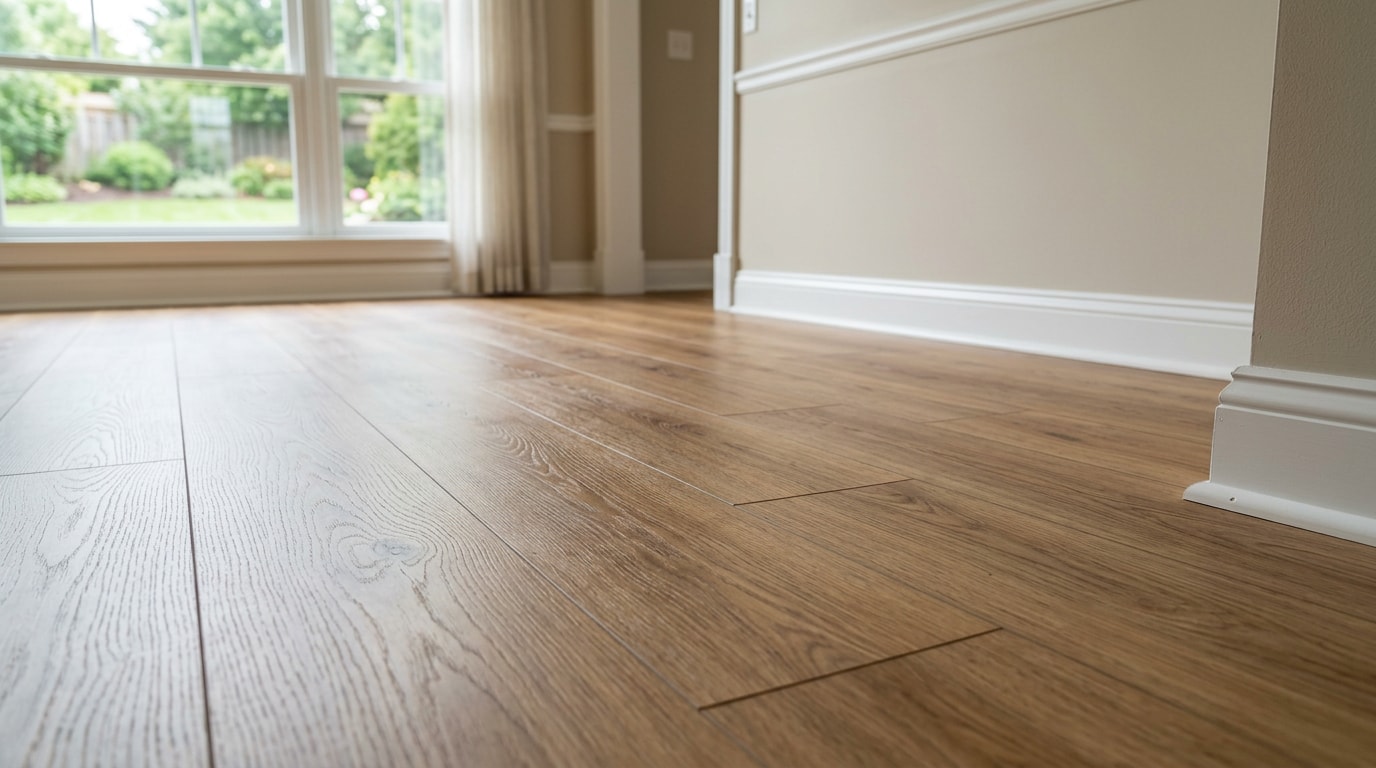
Is 24 hours long enough to acclimate laminate flooring in Arlington Heights? For most homes here, it isn't, because Chicago-area heating seasons and humidity swings slow down how fast planks settle into a room. Here's the real timeline manufacturers want, what changes it, and how to avoid a buckled floor six weeks after your installer packs up.
Is 24 Hours Long Enough to Acclimate Laminate Flooring?
For most installations, no. The standard answer is 48 to 72 hours in the room where it will be installed, though some products call for as little as 24 hours and a few require more. Modern rigid-core products are the main exception: SPC and rigid-core laminate is sometimes rated for 24 to 48 hours in stable environments, though many SPC lines claim "no acclimation" but site conditions should always be matched before install.
That caveat matters more than the clock. The environment matters more than the clock, and if HVAC isn't running and windows are open, even 72 hours won't fix a humidity imbalance. A newly built Arlington Heights home with the furnace cycling on and off, a freshly painted room still drying out, or a January delivery sitting in a cold garage before move-in all add variables a flat 24-hour rule can't account for.
Here's a more useful way to think about it than a yes-or-no answer:
| 24 Hours Might Work | 24 Hours Is Risky |
|---|---|
| Modern rigid-core (SPC) laminate | Older-style standard HDF laminate |
| Climate-controlled home, HVAC already running | Furnace just turned on for the season |
| Small room, under 150 sq ft | Large open-concept space |
| Flooring stored at room temp before delivery | Chicago winter heating season, dry indoor air |
When in doubt, the extra day or two of waiting costs far less than tearing out a buckled floor later.
Typical Acclimation Timeframe for Laminate Flooring
Laminate flooring material needs to acclimate to the moisture and temperature conditions of the installation environment for 24 to 72 hours, depending on the product, before it can be installed. This range isn't arbitrary. That waiting period isn't busywork the manufacturer invented; it's what lets the planks reach equilibrium with your home's temperature and humidity so they don't move dramatically after they're locked together.
Skipping this window risks more than a sloppy install. Most warranty paperwork requires documented acclimation time, and installers who skip it have little recourse if a claim gets denied later.
If you're weighing laminate against other floating floor options for an Arlington Heights remodel, our hardwood laminate flooring team can walk you through product-specific acclimation requirements before delivery day.
Why Acclimation Matters More in Arlington Heights Homes
Laminate planks are built around an HDF (high-density fiberboard) core, and HDF reacts to moisture the way most wood-based materials do. It expands when humid and contracts when dry. If planks go down before they've adjusted to the room's actual conditions, they keep moving after installation, just underneath your feet instead of in the box.
Chicago-area homes add a layer most national guides don't mention. Illinois building health guidelines call for indoor relative humidity between 30% and 60% year-round, and levels below 30% in winter are considered unacceptable. Once furnaces kick on for the season, indoor air in a lot of Arlington Heights houses drifts toward that dry edge, which is exactly when planks that acclimated too fast tend to show gaps a few weeks later.
On jobs across the northwest suburbs, we've seen the opposite problem too: planks delivered during a humid August stretch that swelled slightly before installation, then shrank once the first cold snap dried the air back out. Either direction, the fix is the same. Let the room's real, current conditions do the work before you start cutting planks.
Preventing Buckling and Peaking
Buckling and peaking rarely show up on day one. Buckling from inadequate acclimation typically appears two to six weeks after installation, as planks equilibrate to home conditions. By then, the floor has already expanded past what the expansion gaps were built to absorb, and boards start pushing against each other at the seams.
How to Acclimate Laminate Flooring the Right Way
Proper acclimation starts with placing unopened boxes flat in the actual room where the flooring will be installed, not the garage, not a hallway. Unopened laminate boxes should sit flat in the installation room for at least 48 hours, kept away from walls to avoid hidden moisture.
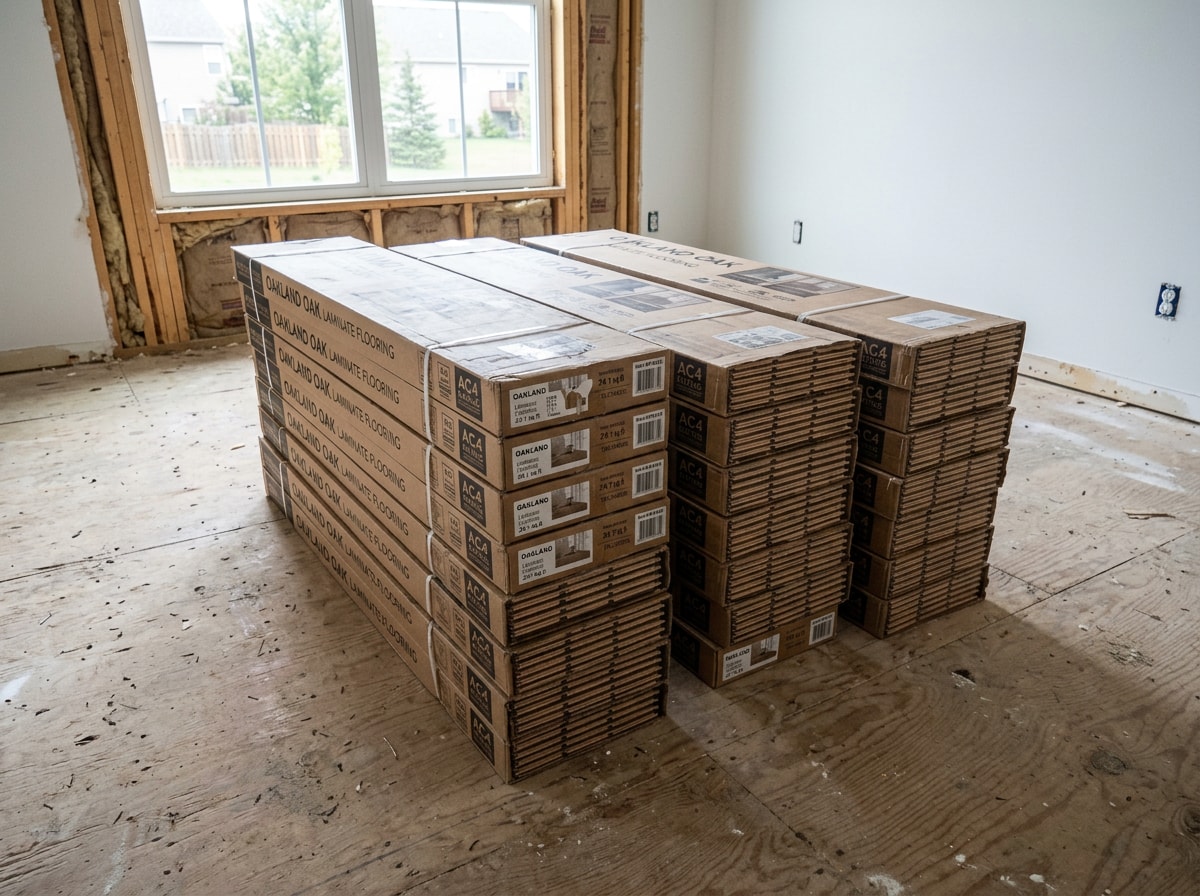
A few steps make the difference between a floor that lies flat and one that doesn't:
- Leave space between stacked boxes so air can circulate around them
- Run the HVAC system the way you normally would, not shut off to save energy
- Let the full manufacturer-recommended window run its course before opening a single carton
- Check subfloor conditions at the same time;
subfloor moisture should stay below 12% for wood and meet the manufacturer's requirements for concrete
Our flooring installation crews follow this sequence on every laminate job, since skipping steps here almost always turns into a callback.
The Right Conditions for Acclimation
Time on the clock means little if the room isn't actually running the conditions it will have after move-in. Manufacturers generally want 60°F to 80°F, 30% to 60% relative humidity, and HVAC operating normally, not just during the acclimation window but going forward.
That target lines up closely with federal guidance. The EPA recommends keeping indoor relative humidity below 60 percent, and ideally between 30 and 50 percent. If a hygrometer in the install room reads outside that band, more time (or a dehumidifier or humidifier) does more good than waiting out the clock alone.
Proper Carton Handling During Acclimation
Resist the temptation to unpack each box; let them rest in the cardboard and plastic for at least 48 hours or the time recommended in the manufacturer's instructions. Later in the window, some installers open cartons partially to improve airflow around individual planks, though this varies by brand, and the boxes should be opened only when the manufacturer's instructions call for air to circulate.
What Happens If You Skip Acclimation
Installing laminate before it's adjusted to the room usually shows up as gaps between planks, buckling along seams, or boards that feel loose underfoot within the first few months. The fix usually means pulling up and reinstalling the floor, and skipping acclimation can void the warranty, leaving you to pay for the repair yourself.
Warranty exposure is the part most DIYers miss. Skipping acclimation voids product warranties, leaving you without protection when problems emerge. If a manufacturer asks for proof the floor sat in the room for the required window and no one documented it, that claim gets denied regardless of how good the installation otherwise looked.
Need the full picture before you commit to a laminate project? Browse our completed projects to see how acclimation and proper subfloor prep show up in the finished floor.
Signs Your Laminate Is Ready for Installation
Physical signs matter more than the clock alone, since humidity and temperature, not just hours passed, determine whether the material has actually settled. Laminate is generally ready when:
- Planks lie completely flat with no cupping or raised edges
- Boards feel stable rather than springy when stacked
- No visible warping runs along the length of any board
- Plank temperature matches the rest of the room, not noticeably cooler or warmer
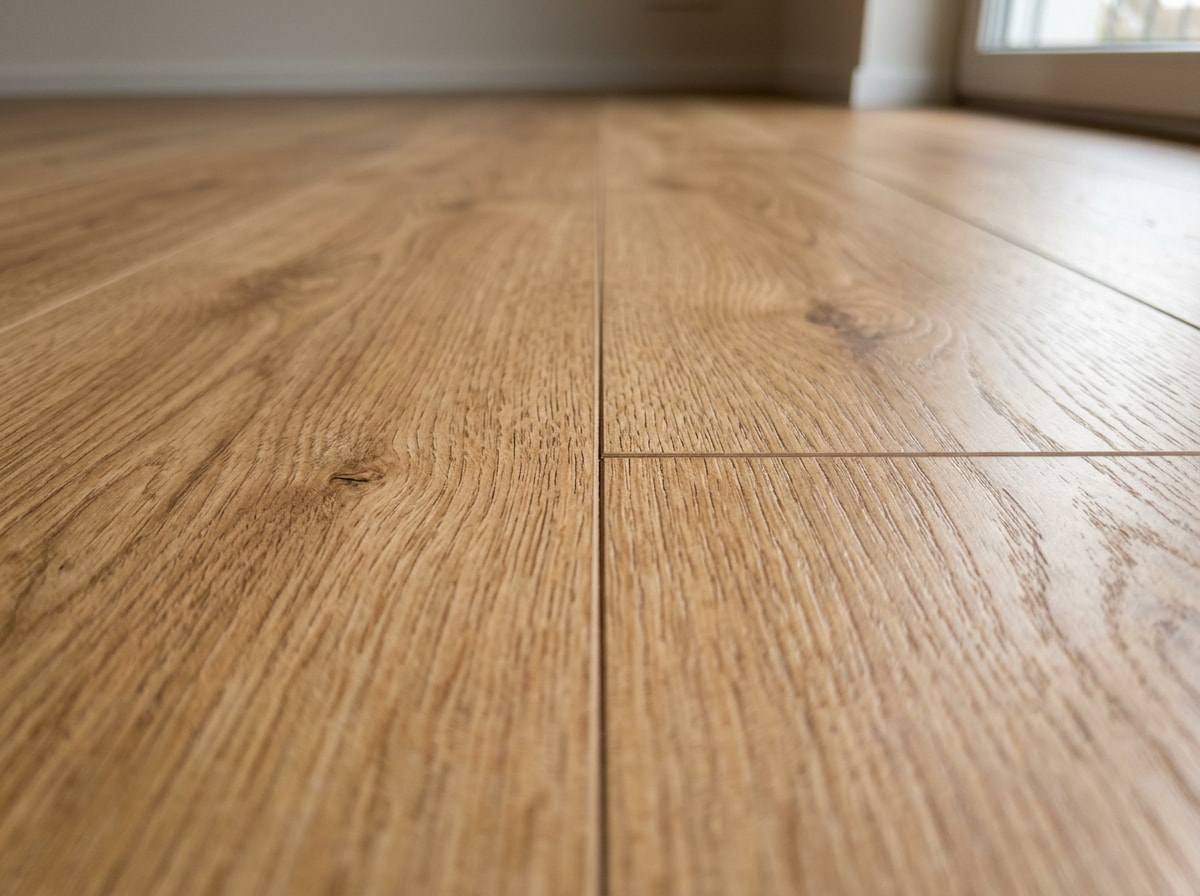
If edges still look uneven compared to the rest of the stack, give it more time rather than installing on a hunch. For a side-by-side look at how laminate compares with solid or engineered options for Arlington Heights homes, our hardwood floor installation page covers acclimation timelines for wood products too, which typically run longer than laminate's 48 to 72 hours.
Not sure which product fits your timeline and budget? Get a free estimate from our Arlington Heights crew before you schedule delivery, and we'll flag any acclimation issues specific to your home before a single plank gets cut.
FAQ
How long does laminate flooring need to acclimate?
Most manufacturers call for 48 to 72 hours in the installation room. Laminate flooring material needs to acclimate to the moisture and temperature conditions of the installation environment for 24 to 72 hours, depending on the product, before it can be installed. Always check your specific product's packaging since the window varies by brand.
What happens if you don't acclimate laminate flooring long enough?
Expect gaps between planks, buckling, or warped boards showing up within the first few months. Buckling typically appears two to six weeks after installation as planks equilibrate to home conditions. It can also void the manufacturer's warranty, since most brands require documented acclimation time for coverage.
Should laminate flooring be unwrapped while it acclimates?
Guidance varies by brand, so check your product's instructions first. Many manufacturers recommend keeping cartons sealed for the first part of the window, then opening the boxes later to allow air to circulate around the planks.
Does Chicago's winter heating season change the acclimation timeline?
Yes, in practice. Indoor relative humidity below 30% in winter is considered unacceptable under Illinois guidelines, and many Arlington Heights homes drift toward that range once the furnace runs steadily. Dry winter air and planks delivered from a cold warehouse both push toward the longer end of the 48 to 72 hour window, not the shorter one.
Do you really need to acclimate laminate flooring before installing it?
Yes. Acclimation protects both the floor's performance and your warranty coverage. Installing without it risks buckling, gaps, and a denied claim if problems show up later.
Still deciding between laminate and another floor type for your Arlington Heights project? Visit SCV Floorsmith to compare options, or check out our Arlington Heights service area page for local installation details.